
Between Imperial Citadel, Royal Tombs, and the Scent of Incense
The Imperial Heritage: The City of Hue
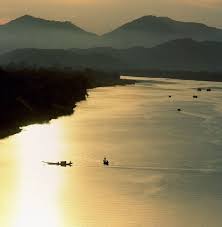
Hue is one of the most significant cities in central Vietnam and was its capital from 1802 to 1945, under the Nguyễn dynasty. Situated on the banks of the Perfume River (Sông Hương), Hue is a place where history, imperial architecture, and spirituality merge. The entire city is an open-air museum, recognized as a UNESCO World Heritage Site, offering a fascinating look at Vietnam's majestic past.
The Imperial Citadel (Đại Nội)
The pulsing heart of Hue's history is its magnificent Imperial Citadel. This vast walled fortress, built on the model of Beijing's Forbidden City, once housed the emperor, the court, and the royal families. Inside the Citadel are the Purple Forbidden City (the true center of imperial life) and numerous temples and pavilions. Walking through its walls is like taking a leap back in time, admiring the grandeur and symmetry of Nguyễn architecture.
The Royal Tombs: Majestic Mausoleums in Nature
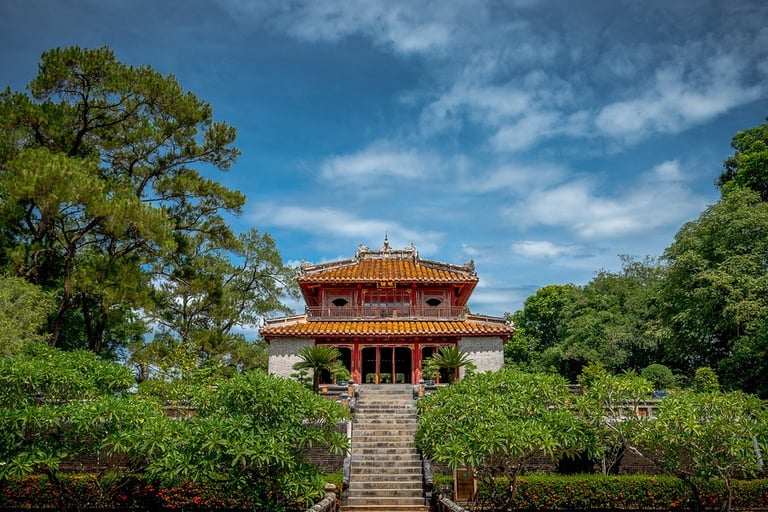
Scattered along the banks of the Perfume River and immersed in the quiet surrounding countryside are the Tombs of the Emperors. These mausoleums are not simple sepulchers, but grandiose architectural complexes, designed by the emperors themselves while they were still alive. Each reflects the personality and philosophy of the sovereign:
Tomb of Minh Mang: Known for its harmonious architecture and perfect symmetry.
Tomb of Khai Dinh: The most modern and lavish, with mixed Vietnamese and European elements.
Tomb of Tu Duc: A serene and romantic complex, immersed in small lakes and gardens.
The Perfume River (Sông Hương) and the Thien Mu Pagoda
The Perfume River is the vital artery of Hue and a traditional (dragon) boat tour is essential to appreciate the landscape. Along the river rises the iconic Thien Mu Pagoda (Pagoda of the Celestial Lady), an unofficial symbol of Hue. With its seven-story octagonal tower, the pagoda is the tallest Buddhist temple in Vietnam and offers one of the most suggestive views over the city and the river.
The Gastronomy of Hue: Royal and Vegetarian Flavors
The cuisine of Hue is renowned throughout Vietnam for its refinement, deriving from the fact that it was the court cuisine. The dishes are often small, complex, and presented with elegance. Not to be missed:
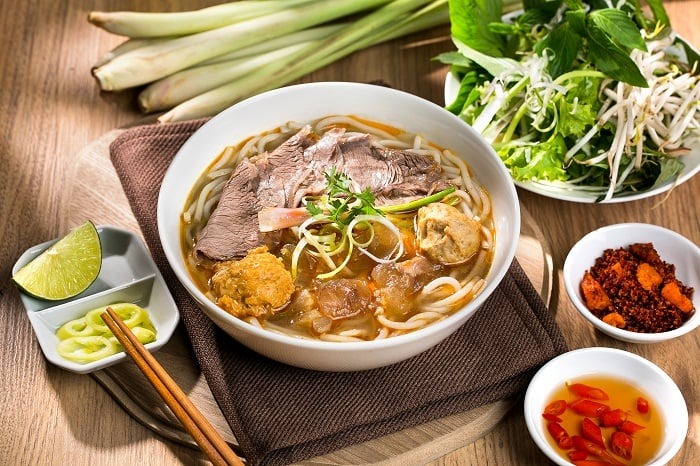
Bún Bò Huế: The famous noodle soup with beef and lemongrass, spicy and flavorful.
Bánh Bột Lọc: Small transparent tapioca dumplings filled with shrimp and pork.
Vegetarian Food: Being a Buddhist center, Hue is also famous for its exquisite vegetarian dishes.
When to Visit Hue
The best period to visit Hue is the dry season, which goes from March to August. The temperatures are warm, ideal for exploring the tombs and navigating the Perfume River. The rainy season (September–January) can bring heavy rains, while the months from October to December are at risk of typhoons.
Conclusion: Why Hue is Unmissable
Visiting Hue means immersing yourself in a fundamental chapter of Vietnamese history. Its unique blend of imperial majesty, spirituality, and architecture, framed by the placid Perfume River, makes this city a mandatory stop for every traveler wishing to discover the true cultural heritage of Vietnam. A place where every stone tells a story.

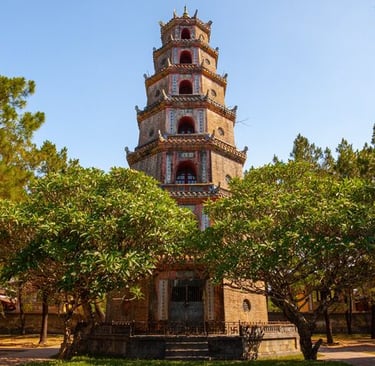
Thien Mu Pagoda
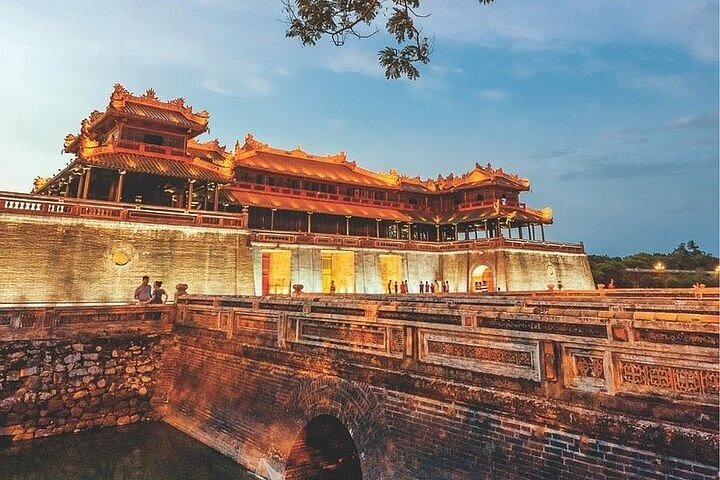

Imperial Citadel
Sông Hương
Minh Mang Tomb
Bún Bò Huế
Citadel of Hue (Dai Noi)
Perfume River
Hue
Are you ready for relaxation? Explore our selection of hotels and apartments: you will find the ideal accommodation to make your holiday unforgettable.
For a perfect adventure: consult now
Through these links you can support the site free of charge
Contact Us
© 2025. All rights reserved.
Claim Your Guide Now!
Free
Your Complete 7-Day Vietnam Itinerary